

How Golf Teaches Children Respect, Discipline and Responsibility

Sport plays an important role in a child's development, but few sports teach personal values quite like golf. While children certainly improve their golfing skills through coaching and practice, they also develop qualities that remain with them throughout life.
Respect, discipline and responsibility are woven into every aspect of the game. From following the rules and caring for the golf course to showing consideration for other players, golf encourages children to think beyond themselves and become responsible young people.
Respect Starts From the First Lesson
One of the first things children discover is that golf is built on respect.
Respect for fellow players.
Respect for coaches.
Respect for golf courses.
Respect for the game itself.
Simple actions such as remaining quiet while another player is taking a shot, repairing pitch marks, replacing divots and caring for equipment help children understand that everyone has a role to play in looking after the game.
Unlike many sports, these behaviours are not optional—they are part of what makes golf unique.
Learning Responsibility
Golf places responsibility directly into the hands of the player.
Children learn to prepare their own equipment, arrive ready for coaching, keep track of their own scores and accept responsibility for their decisions on the course.
Rather than relying on others, they begin to develop independence and accountability from an early age.
These are valuable life skills that often transfer into school, family life and future careers.
Honesty Is Part of the Game
Golf has long been recognised as a sport built on honesty.
Players are expected to play by the rules, count every stroke correctly and act with integrity, even when nobody is watching.
Teaching children to be honest in these situations helps develop strong character and reinforces the importance of doing the right thing simply because it is the right thing to do.
This culture of honesty is one of the reasons golf continues to be respected around the world.
Discipline Creates Improvement
Every young golfer wants to hit longer shots and lower their scores.
However, improvement rarely happens overnight.
Golf teaches children that consistent practice, patience and perseverance lead to progress over time.
Learning to practise correctly, listen to coaching advice and remain focused during a session develops self-discipline that benefits children well beyond sport.
Many of these habits become useful in education, helping children understand the value of preparation, routine and commitment.
Structured Coaching Makes a Difference
While golf naturally develops important values, the right coaching environment helps reinforce them.
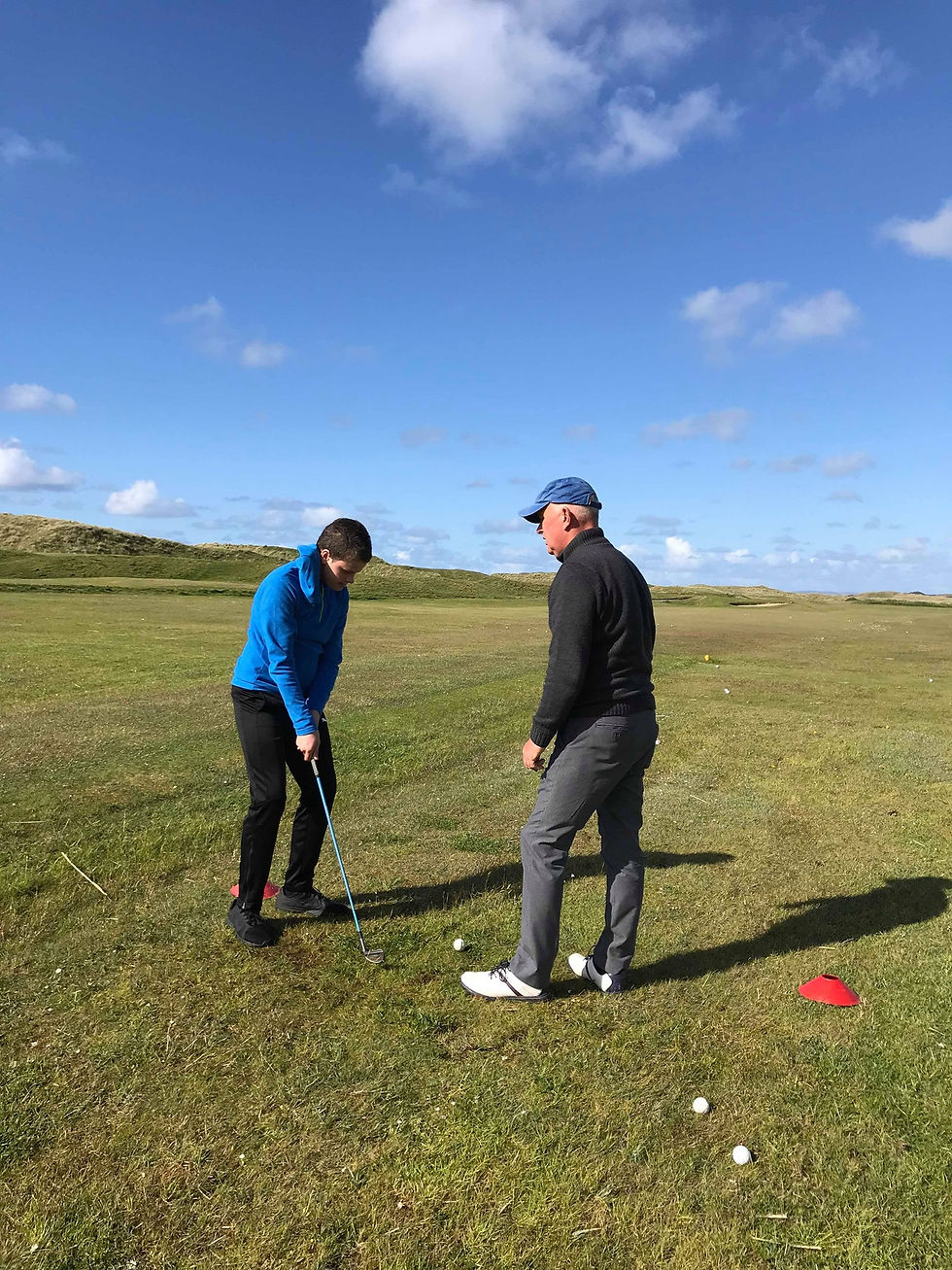
Structured junior programmes such as Rising Stars Golf combine skill development with encouragement, teamwork and personal growth. Children are guided through clear stages of learning while developing confidence, responsibility and respect in a supportive environment.
Good coaching is about much more than improving technique—it is about helping children become well-rounded young people.
More Than Just Better Golfers
The qualities children develop through golf are often noticed away from the course.
Parents frequently see improvements in confidence, behaviour and independence.
Teachers may notice better concentration and greater responsibility.
Friendships become stronger because children learn to communicate, encourage others and celebrate success together.
Golf helps shape character as much as golfing ability.
Respect Leads to Confidence
Children who understand responsibility and discipline often become more confident in themselves.
As they learn to make good decisions, solve problems and overcome challenges, they begin to trust their own abilities.
If you would like to learn more about this important connection, read our article:
How Golf Builds Confidence in Children (And Why It Lasts for Life)
Every Child Can Benefit
Not every child will become a competitive golfer, and they do not need to.
The greatest success is seeing children enjoy the game while developing qualities that will help them throughout life.
Whether they continue playing for recreation, represent their club or simply enjoy golf with family and friends, the lessons they learn through golf remain valuable long after childhood.
Conclusion
Golf teaches far more than technique.
It teaches children how to respect others, take responsibility for their actions, develop self-discipline and act with honesty.
These qualities build stronger golfers, but more importantly, they help build stronger people.
To discover the wider benefits golf offers young people, read our main guide:
Why Golf Is One of the Best Activities for Children



Comments