

Why Golf Is One of the Best Activities for Children
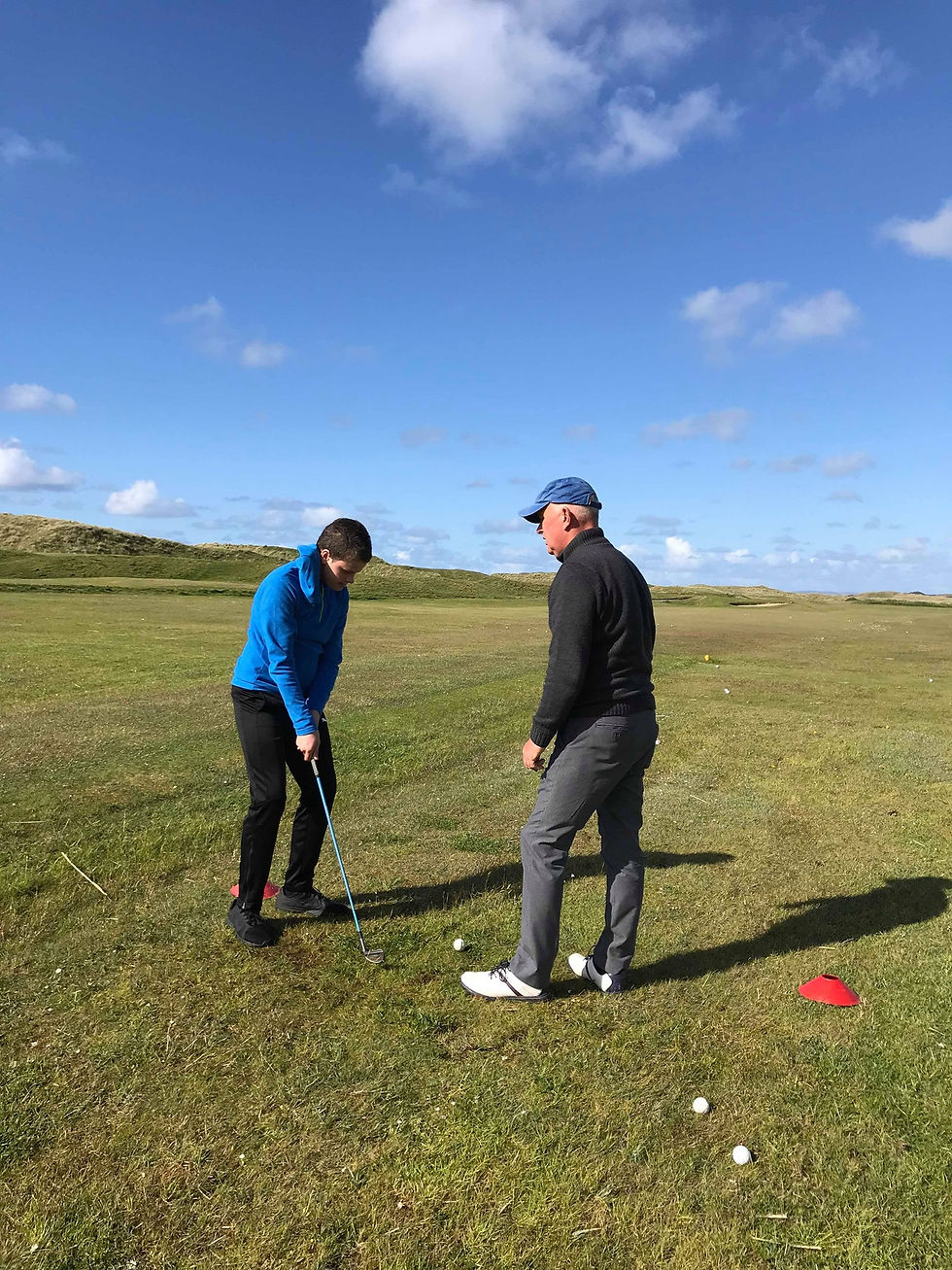
Why Golf Is One of the Best Activities for Children
When parents consider activities for their children, they often focus on the obvious benefits: exercise, social interaction and enjoyment. While golf certainly provides all of these, it also offers something unique. Golf is one of the few sports where children can develop physical skills, mental strength, personal responsibility and social confidence simultaneously.
Unlike many sports that rely heavily on physical size, strength or speed, golf allows children of all abilities to participate and progress at their own pace. It is a game that rewards effort, patience, learning and good decision-making, making it an ideal activity for young people throughout their developmental years.
Building Confidence Through Achievement
Confidence is one of the most important qualities a child can develop.
Golf provides constant opportunities for achievement, whether that is hitting a first successful shot, completing a hole independently, improving a score or earning a handicap. Each small success builds self-belief and encourages children to continue learning.
Importantly, golf teaches children that improvement comes through practice and perseverance rather than instant success. They begin to understand that mistakes are part of learning and that progress is achieved step by step.
This confidence often extends far beyond the golf course and into school, friendships and everyday life.
Learning Respect and Personal Responsibility
Golf has long been recognised as a sport built on honesty, integrity and respect.
From an early age, young golfers learn to respect fellow players, coaches, course staff and the rules of the game. They learn the importance of taking responsibility for their own actions and decisions.
Unlike many sports where officials are responsible for every decision, golfers are expected to act honestly, count their own scores and uphold the spirit of the game.
These values help children develop character traits that remain valuable throughout their lives.
Developing Concentration and Focus
Modern life presents many challenges when it comes to maintaining concentration.
Golf naturally encourages children to focus on tasks, manage distractions and think carefully before acting. Every shot requires attention, planning and execution.
As children progress, they begin to develop routines, decision-making skills and mental discipline. These abilities often transfer positively into education, helping children improve focus and patience in other areas of their lives.
Encouraging Healthy Outdoor Activity
Physical activity remains an important part of childhood development.
Golf encourages children to spend time outdoors, walking, exercising and enjoying fresh air. While it may not always be viewed as a high-intensity sport, a round of golf can involve several kilometres of walking while also developing balance, coordination, mobility and overall athletic skills.
For many children, golf provides an enjoyable alternative to screen time and sedentary activities.
Building Social Skills and Friendships
Golf is an incredibly social game.
Children have opportunities to meet new friends, interact with players of different ages and develop communication skills in a relaxed environment. The game encourages conversation, teamwork, sportsmanship and mutual support.
Unlike some sports where participation can be limited by team selection, golf allows children to play alongside friends regardless of ability level.
Many life-long friendships begin through junior golf programmes, coaching sessions and club events.
For many young golfers, these early experiences are often shaped through structured junior coaching environments. One example is Rising Stars Golf, which provides a clear development pathway where children can learn together, build confidence and enjoy the game in a supportive group setting.
Through programmes like this, golf becomes more than just a sport — it becomes a social experience that helps children feel part of a community.
Teaching Resilience and Problem Solving
One of golf's greatest lessons is learning how to respond when things do not go according to plan.
Every golfer, regardless of ability, experiences setbacks. A poor shot, a difficult hole or a disappointing score becomes an opportunity to learn and improve.
Children quickly discover that success is not about avoiding mistakes but about responding positively to them. This ability to remain resilient, solve problems and move forward after disappointment is a valuable life skill that extends well beyond sport.
A Sport for Life
Perhaps one of golf's greatest strengths is that it can be enjoyed throughout life.
Children who begin golf at a young age often continue playing into adulthood. Unlike many sports where participation decreases significantly with age, golf offers opportunities for enjoyment, competition, social interaction and personal challenge for decades.
The game can be played individually, with friends, as a family or competitively, making it one of the most accessible lifetime activities available.
Many lifelong golfers first begin their journey in structured junior environments such as Rising Stars Golf, where enjoyment and progression are prioritised from the very beginning.
More Than Just a Game
Golf is much more than learning how to swing a club.
It is a vehicle for developing confidence, responsibility, resilience, concentration and social skills. It encourages healthy activity, positive friendships and lifelong participation in sport.
For parents seeking an activity that supports both personal development and enjoyment, golf offers a unique combination of benefits that few other sports can match.
The skills children learn through golf today can continue to serve them throughout school, adulthood and beyond.
That is why golf is not simply a sport for children—it is an investment in their future.


Comments